safety focused maturity model lubrication upgrades?
Embarking
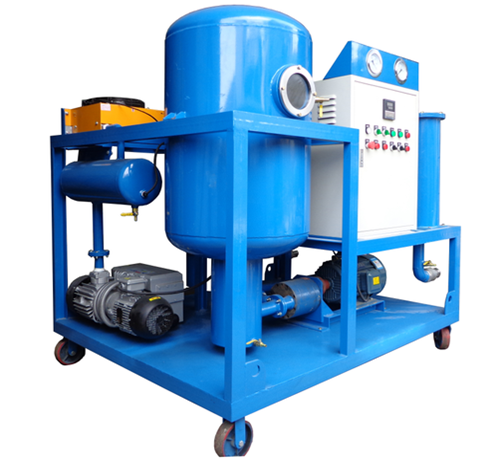
Such hydrocarbon management for voltage transformers stands as essential for these efficiency. In due course, voltage transformer mineral oil stores contaminants consisting of wear agents, particles, and liquids. Those elements can impair the oil's insulating capacity and temperature-based traits, ultimately impairing appliance reliability and service life. To deal with this problem, modern processing strategies are commonly being executed.
Those approaches often consist of a fusion of technical techniques, comprising cleaning, capturing, and rusting. Custom cleaning apparatus can powerfully clear significant debris from the oil, while zeolites are used to bind dissolved impurities.
- Moreover, oxidation methods can be employed to break down difficult impurities, thereby advancing the oil's traits.
Those developments in power oil purification methods contribute to advanced unit output, durability, and longevity, ultimately minimizing downtime and resulting costs.
Upgrading Transformer Fluid with Advanced Filtration Mechanisms
Within tough operational fields of mechanical undertakings, securing top-notch fluid integrity is vital for boosting equipment lifespan and integrated working. High-precision cleaners hold a vital position in this endeavor by adroitly removing particles that can reduce oil integrity over time. Those expert filtering methods utilize a amalgamation of physical filtration media and controlled engineering to bind a full scope of contaminants from the oil stream. The result is uncontaminated more reliable oil that can reliably lubricate equipment parts, reducing heat , tear, and splitting. By utilizing precision filtration systems, companies can substantially prolong the useful life of machines, curtail maintenance costs, and reach improved operational efficiency.
High-Performance Filtration Equipment: Maintaining Enhanced Productivity
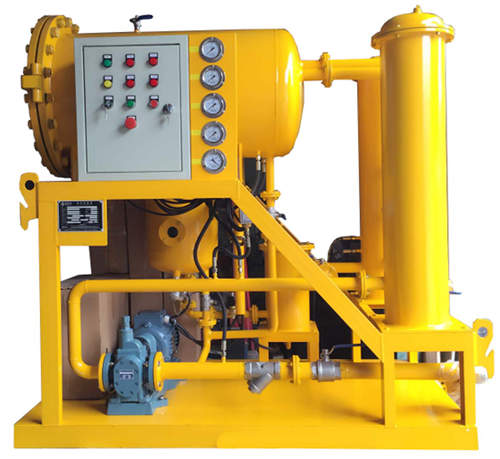
Within contemporary production surroundings, productive efficiency is important. Boosting equipment output and useful life hinges on several elements, with oil purity acting as a decisive factor. Workshop cleansing units play a vital role in securing hydraulic quality by ridding of contaminants that can cause premature wear, collapse, and heavy-loss suspensions. These superior technologies apply modern purification processes to retain a multitude of impurities, embracing particles, liquid, and oxidants. By regularly treating the oil, industrial oil purifiers raise endurance, enhance oil performance, and contribute to a more secure and more efficient work environment. Diligently checking of these systems is key to validate their effectiveness. This demands overseeing the filtration process, exchanging elements as needed, and conforming to vendor recommendations for optimal performance. By investing in best-in-class industrial oil purifiers and practicing a robust maintenance schedule, factories can fulfill important cost savings. Ultimately, these systems pave the way for smoother operations, reduced downtime, and increased profitability.Mitigating Damage via Proper Oil Purification
Oil purification is a essential factor in the maintenance of any engine or apparatae. After a period, technical lubricants becomes soiled with waste, which can restrict functionality and in the end lead to shutdown. Employing effective oil filtration plans can significantly lengthen the life of your equipment and affirm optimal operation. Diligently renewing your motor lubricants and utilizing a elite unit are necessary routines. A robust oil filter can properly trap particles, retaining your machine running smoothly.
Optimizing Transformer Oil for Longevity
Safeguarding the capability of your power devices is paramount for a reliable and efficient electric network. With continued functioning, transformer oil naturally fades due to heat, oxidation, and mechanical stress. This breakdown can result in increased operational fees, reduced efficiency, and potential damage to the machinery. Transformer oil regeneration offers a responsible and financially prudent solution to extend the lifespan of your transformers by refreshing their original properties and performance.
The technique involves purifying the used oil through a series of high-tech techniques, such as filtration, dehydration, and oxidation inhibition. This powerfully removes unwanted elements, repairs dielectric strength, and boosts thermal stability. By putting back regenerated oil into your transformers, you can significantly lower maintenance requirements, boost comprehensive robustness, and ultimately enhance the useful life of your valuable assets.
Principles of Lubricant Purification in Industry
Hydrocarbon filtering is a vital operation in industrial applications. Fluid oils are subject to contaminants such as sediments, water, and deterioration materials. These impurities can severely impair the capability of lubricants, leading to increased friction, wear, and component defect. Effective oil purification methods incorporate diverse processes to filter out debris. These methods can include filtration systems that physically trap impurities, chemical treatments that neutralize or disintegrate harmful agents, and thermal processing which extracts heat-sensitive matter. The selection of the optimal purification method depends on the nature of operation and the type of contaminants present. Regular oil purification not only boosts longevity of lubricating oils but also decreases servicing needs. Moreover, it encourages protection measures by preventing equipment failures and preventing environmental pollution.
Managing Oil Pollution: Expert Tips
Overseeing hydrocarbon cleanliness is important for upholding operational efficiency and environmental obedience. This thorough outline delves into the elements of oil contamination, presenting its causes, consequences, and effective addressing strategies. Dissected are comprehensive best practices, analysis approaches, and regulatory policies to help you decrease oil contamination risks.
- Discover the primary reasons of oil contamination in various settings.
- Identify the negative consequences of oil contamination on equipment, infrastructure, and the environment.
- Utilize proven strategies to prevent and remediate oil spills and leaks.
- Stay informed of industry regulations and best practices for oil contamination management.
Improving Hydraulic Fluid Performance Through Purification
Maintaining optimal performance in hydraulic systems obliges meticulous attention to detail, particularly when it comes to the quality of the hydraulic fluid. Fluid contamination can lead to a cascade of detrimental effects, including reduced efficiency, increased wear and tear on components, and even catastrophic system failures. Carrying out a robust filtering process is necessary for mitigating these risks and ensuring the longevity and reliability of hydraulic systems.
Through regular filtration and purification processes, it's possible to remove harmful particles, water, and other contaminants that can compromise fluid performance. By employing advanced filters with appropriate micron ratings and utilizing specialized purification equipment, operators can effectively maintain the integrity of the hydraulic fluid and extend the operational lifespan of critical components. This proactive approach not only minimizes downtime and repair costs but also enhances the overall safety and efficiency of hydraulic systems.
Deep Cleaning Transformer Oil: A Step-by-Step Process
Periodic support of transformer oil is important for the extended performance and lifespan of your transformers. After a while, oil can become contaminated with foreign matter, affecting its ability to effectively cool and separate the transformer components. Deep cleaning transformer oil involves a multi-step process to extract these contaminants, restoring the oil's properties to optimal levels.
- At the outset carefully draining the existing oil from the transformer tank. This requires proper safeguarding steps and adherence to designer's guidelines.
- Thereafter, the transformer tank should thoroughly flushed with a suitable solvent. This stage helps dispose any persisting oil and contaminants from the tank's barrier.
- Following the tank is clean, the cleansed oil can be introduced back into the transformer. The amount of oil added is supposed to match the vendor's specifications.
- In conclusion, it is mandatory to inspect the transformer's oil level and performance regularly. This will facilitate you to uncover any potential concerns early on, allowing for rapid action.
Selecting the Correct Oil Purifier for Your Needs
Regarding opting for the ideal oil purifier for your demands, it's indispensable to consider a selection of factors. First, identify the capacity of your oil system and decide on a purifier that can properly handle it. Next, evaluate the type of oil you're managing. Different purifiers are designed to filter out specific adulterants. Finally, take into account your budget and examine different brands and models that suit with your requirements.
- What's more, observe to characteristics like filtration efficiency, noise level, and ease of maintenance.
Practical Gains from Transformer Oil Treatment
Steady cleansing of transformer oil offers a multitude of practical benefits that increase the capability of electrical equipment. At the outset, purified oil reduces wear and tear to essential components, extending their useful life. This minimizes upkeep charges. Furthermore, cleaner oil strengthens heat transfer capabilities, leading to more efficient cooling and preventing thermal stress.
By clearing foreign substances, transformer oil purification secures smooth operation and diminishes the risk Lube oil purifier of short circuits. This ultimately {contributes to|leads to