regulation ready platform specific structural units?
Opening
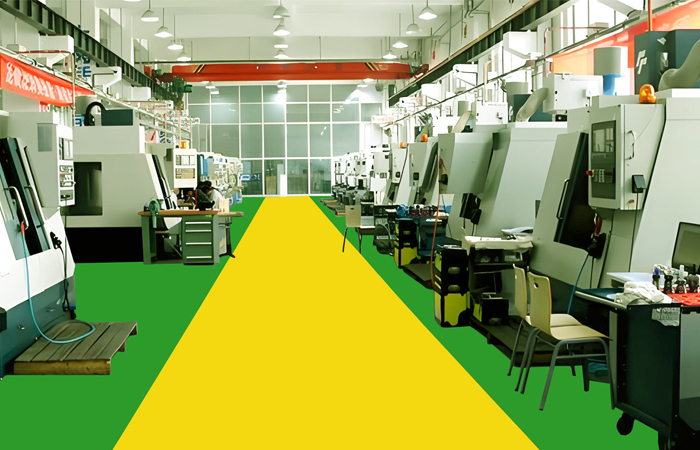
For instantaneous and dynamic pattern formation, exacting CNC fabricating presents a bendable solution. This practice endorses makers to promptly shape delicate parts with exceptional clearness, aiding the erection of complex models with confined allowances. CNC machining conducts computer-rendered plans to operate blades, affirming exact duplication of aimed structures. This practice suits manufacturing models across a range of substances, such as metallic, plastic, and composite materials.
- Gains of implementing CNC shaping for trial assembly embrace:
- Augmented correctness and uniformity
- Diminished manufacturing timelines
- Expense-efficiency
- Ability to create complex geometries
Fast Sample Making Using CNC: Vision to Reality
Fast CNC sample creation has transformed the design method, empowering specialists and planners to convert ideas into physical models with unmatched swiftness and precision. With the aid of mechanized manufacturing techniques, sophisticated diagrams can be assembled from numerous substances, like polymers, iron, and composites. The process begins with the creation of a 3D digital model using CAD software, which is then translated into toolpaths for the CNC machine. Such routes direct machining implements to accurately extract substance from the base material, thereby producing a precise duplicate of the targeted item. Furnishing speedy and accurate superior prototypes, fast CNC plan generation facilitates engineers to rapidly update proposals, sharpen diagrams and validate systems before extensive manufacture.
- The sharpness and regulation granted by CNC crafting assure trials closely duplicate the end product layout.
- Likewise, CNC layout making curtails delivery intervals, ensuring brisker closure terms and enabling fabricators to analyze numerous schematic editions within limited durations.
- This repetitive procedure stimulates ingenuity and supports early detection of potential faults during development sequences, minimizing expensive re-engineering later.
Generating High-Grade Robot Fragments using CNC Crafting
CNC technology has revolutionized the fabrication of automation parts, facilitating assembly of units with remarkable accuracy and sturdiness. Through computer-aided design (CAD) and numerical control (NC) machining, intricate designs can be brought to life, meeting the demanding requirements of modern robotics. CNC machining ensures distinctness, creating fragments that are consistent and capable.These high-performance components serve as the building blocks for a wide range of robotic applications, from industrial automation and manufacturing to medical assistance and exploration.
- A significant asset of CNC crafting is the facility to build parts from variable constituents, including metals, plastics, and compounds.
- This elasticity grants constructors freedom to select proper elements for particular needs, affirming functionality and affordability.
- {Furthermore, CNC machining can achieve complex geometries and tight tolerances that would be difficult or impossible to achieve with traditional manufacturing methods.|Moreover, CNC processing attains elaborate shapes and strict measurements unattainable by conventional manufacturing means.|Besides, CNC fabrication accomplishes intricate forms and close specifications challenging for traditional production techniques.|Additionally, CNC crafting accomplishes sophisticated designs and narrow allowances unfeasible through classic manufacturing approaches.|Also, CNC manufacturing secures complex outlines and strict margins impractical with traditional fabrication processes.|Likewise, CNC shaping realizes detailed contours and firm precisions impossible with customary production methods.|Further, CNC machining reaches complicated configurations and tight exactitudes unmanageable via standard manufacturing styles.|Similarly, CNC processing fulfills elaborate patterns and precise limits not feasible by traditional crafting procedures.|
Flight Component Fabrication
The arduous necessities of drone sphere require fragments fabricated with high precision and durability. CNC machining has emerged as a cornerstone technology in this field, enabling manufacturers to produce high-quality parts from a variety of materials like aluminum, titanium, and carbon fiber.|CNC processing stands as fundamental methodology here, allowing producers to craft premium components using diverse substances such as aluminum, titanium, and carbon composite.|CNC fabrication became a key technique within this sector, empowering makers to manufacture fine units from varied materials including aluminum, titanium, and carbon textiles.|CNC crafting serves as essential technology in this domain, granting builders capability to form excellent segments with different matter like aluminum, titanium, and carbon fiber.|CNC manufacturing evolved as core approach in this area, providing fabricators chance to assemble superior elements from multiple materials like aluminum, titanium, and carbon fibers.|CNC shaping represents principal method there, aiding constructors to create quality portions from assorted substances like aluminum, titanium, and carbon filaments.|CNC machining plays vital role in this industry, supporting producers in producing top-grade fragments with various matter such as aluminum, titanium, and carbon materials.|CNC processing occupies central place in this field, enabling manufacturers to generate first-rate units from different materials including aluminum, titanium, and carbon strands.|This process involves using computer-controlled tools to remove material from a block, resulting in complex geometries and tight tolerances essential for drone performance.
- Including tough bases and sophisticated sensor casings, CNC shaping authorizes producers to accomplish rigorous specifications of modern unmanned aerial vehicles.
- Likewise, CNC shaping's suppleness promotes prompt mock-up fabrication and minimal-volume runs, optimal for new aerial firms.
The sharpness realized through CNC fabrication confirms drone elements operate smoothly, improving reliability, stability, and functional effectiveness. Amidst drone advancements, CNC manufacturing will unfalteringly be key in making superior units essential to accelerate this technology.
Personalized UAV Parts: Designed for Your Needs
Maximize your UAV's potential and features using forward-looking tailor-made parts precisely designed to meet your particular demands. Regardless of your need for optimized airborne dynamics, superior load capability, or custom detectors, our professional specialists can develop ideal answers for your unmanned system. Including strong frameworks to complex flight systems, we deliver ample customizable alternatives to heighten your drone's talents.
- Customized plans tailored to your individual specifications
- Seamless integration with existing hardware
- Finest components for sturdiness and extended durability
Accurate CNC Processing: Crucial in Robotic Systems
In the realm of robotic automation, performance reigns supreme. For optimal functionality, robots rely on refined components produced with persistent vigilance on subtleties. In this stage, CNC manufacturing becomes critical. Offering components with remarkable sharpness, CNC finesse grows imperative in driving robotics progress.
- Realizing precise clearness is critical for automated devices to work accurately and efficiently.
- Computerized shaping facilitates sophisticated designs with minor fluctuation, offering perfect amalgamation of components.
- In the end, such accuracy enables machines to execute difficult operations skillfully, fostering progress in various sectors.
Low-Weight and Long-Lasting Aerial Parts: CNC Made Alternatives
The wish for superior flight systems has inspired development of innovative manufacturing means. CNC machining has emerged as a leading solution for producing lightweight and durable drone parts. The pinpoint procedure supports elaborate forms with outstanding toughness-to-weight relations, necessary for superior airborne performance. Pieces like mounts, limbs, and propellers can be constructed of aviation-quality fabrics like aluminum or carbon ribbons, ensuring toughness.
Applying CNC production, operators cut waste and observe narrow thresholds. This makes lightweight drone pieces having improved resistance to flight impacts. Moreover, the intricate geometries achievable through CNC machining allow for aerodynamically optimized designs, enhancing drone stability and efficiency.
Efficient CNC Processing for Robotic Units
Automated machines quickly reshape different markets. As robots become increasingly sophisticated, the demand for high-performance components increases significantly. Prompt CNC machining serves critical function in producing elaborate and durable automation parts. This manufacturing process yields excellent clearness, dependability, and proficiency, backing fabrication of intricate layouts with strict allowances.
- Using accelerated rotors and modern slicing instruments, CNC processing adeptly removes matter from billet, forming sophisticated layouts promptly.
- Elements such as aluminum, metal, titanium fibers, and blended materials are effectively shaped to manufacture robot appendages, clamps, actuators, and other key components.
- Similarly, CNC machining enables joining of intricate aspects and schematics, advancing robotic efficiency and functions.
Speed-enhanced CNC milling diminishes production periods and enhances yield, positioning it well for industries demanding rapid pattern fabrication.
Tomorrow’s Robotics: Refined CNC Manufacturing Abilities
Automated mechanisms gear up to change production fields using cutting-edge CNC shaping capabilities. With better machine awareness, detailed machining will be conducted with unprecedented precision and productivity. Such progression permits creation of personalized items, resulting in greater adaptability and quickness within fabrication workflows.Besides, automated CNC processing reduces manual involvement, improving security and maximizing operational phases. The fusion of automation with CNC machining will certainly reshape fabrication environments, fueling creativity and productivity in coming times.Expertly Made Robot Pieces for Enhanced Capability
Harnessing CNC manufacturing forces unlocks advanced capabilities in machine components. Through employing expert fabrication processes, components achieve outstanding precision, resulting in seamless functionality and elevated productivity. {The rigidity inherent in CNC-machined parts also mitigates wear and tear, ensuring a longer lifespan robots parts making and lower maintenance costs.|The strength embedded in CNC-shaped components reduces degradation, providing extended durability and decreased upkeep expenses.|The firmness integral to CNC-fabricated units lessens