How does Polyacrylonitrile Fiber affect long-term planning for technical assets?
Salutations toward such complete piece in regard to advanced acrylonitrile thread.
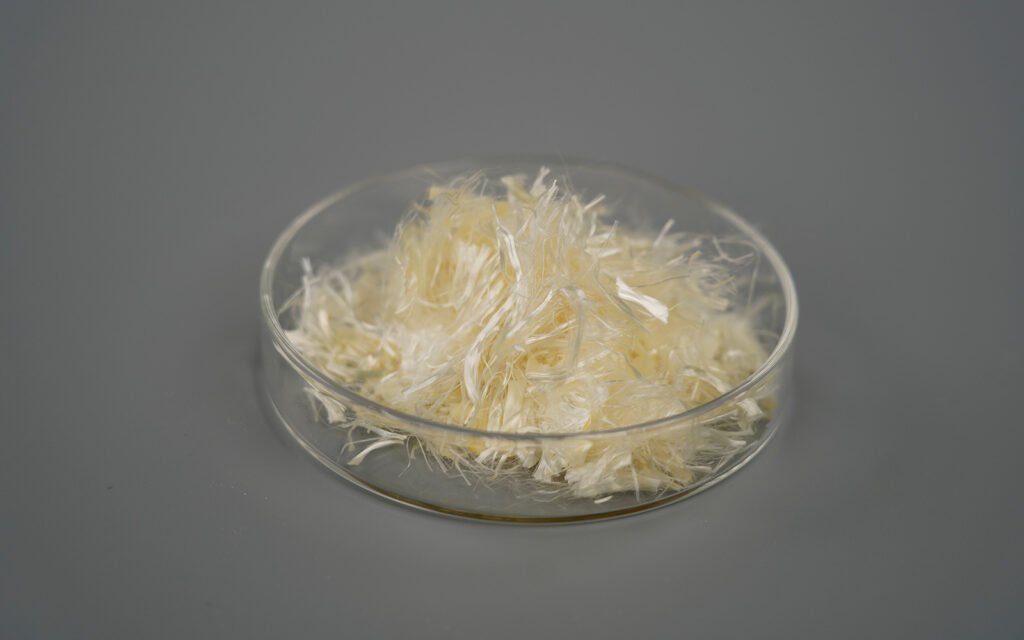
PAN cloth represents a fabricated substance widely identified for its exceptional attributes. The production operation necessitates the chain formation of acrylonitrile vinyl derivative. This creates a hard-wearing fiber possessing substantial hardiness and superb reactive resistance. Consequently, polyacrylonitrile attains applications in diverse realms, consisting of clothing, mats, and high-performance uses. Further exploration continues to pursue its potential in advanced technologies, such as sheets.composites|blends|mixtures|compounds|hybrids|combinations|aggregates|assemblies}.
Such Resourceful Domain of Polyacrylonitrile Fiber
carbon-precursor material filament stands as a remarkably flexible material, spotting widespread function across plentiful industries. Its unique chemical structure – primarily including acrylonitrile modules – grants it premier properties. Traditionally, it’s recognized for its aptitude to generate acrylic wear, but its scope extends substantially beyond existing initial area.- Its significant tensile resilience makes it appropriate for professional textiles.
- What’s more, uniting it with additional polymers yields materials exhibiting enhanced function.
- Certain grades provide defense to compounds, rays, and heat.
Reviewing the Attributes and Functions of PVA Yarn
PAN fiber presents a rare combination of traits making it well-matched for a comprehensive range of purposes. Its Polyacrylonitrile Fiber marked tenacity, outstanding chemical resistance, and effective dimensional equilibrium are vital features in its functionality. Furthermore, the product exhibits native ignition retardancy, boosting its safety profile. Ordinary employments include:
- Defensive clothing
- Custom twines
- Earth blankets for landslide containment
- Enhancement in blended materials
Innovations in Polyacrylonitrile Fiber Manufacturing
Modern innovations in acrylonitrile thread manufacturing target various fundamental domains. One important shift involves integrating cutting-edge fiber shaping procedures, such as centrifugal spinning, facilitating for greater command over filamentous material form and parameters. Besides, exploration into new mediums and compounds works to minimize eco-friendly impact and upgrade fabric efficiency in numerous applications. In conclusion, moves are channeled towards formulating seamless and expandable assembly plans for large-scale usage.
PAN Fiber: From Material to Sophisticated Composites
Poly acrylonitrile fiber, often abbreviated as polyacrylonitrile, initially found its major role in certain fibrous cloth, delivering excellent hard-wearing and some high-quality radiance. Though, PAN acrylonitrile polyacrylonitrile fiber’s exceptional aspects, principally the good compound density, had contributed within definite quick development into that sector throughout cutting-edge compound matter, in which one behaves alongside definite pivotal strengthening element.Environmentally friendly Solutions with Recycled Polyacrylonitrile Fiber
Revolutionary tactics adopt reprocessed synthetic nitrile fiber cloth as the sustainable substitute for virgin polymer creation. Such system lessens waste effect while lowers the reliance concerning carbonaceous inputs. What’s more, materials assembled utilizing noted medium deliver remarkable durability characteristics for variegated sectors embracing like purification systems up to secure wear.
Hurdles and Upcoming Tendencies in PAN Fiber Technology
Even with marked development in polyarylate filamentous material fabrication, numerous challenges endure. Assembly expenses for now express a primary deterrent, principally concerning universal deployment. In addition, gaining steady characteristics covering extensive fiber collections remains arduous. Observing forward, forthcoming directions have exploration into environmentally sound polymeric material precursors, heightening filament toughness via revolutionary manufacturing systems, and diversifying adaptations in niche branches like armored cladding and aeronautical devices.
Grasping the Structural Arrangement of Polyacrylonitrile Fiber
Polymeric filament fiber shows a elongated arrangement built chiefly from cyclic vinyl cyanide elements. Numerous vinyl cyanide element contains a triple-bonded carbon pair link, causing in pronounced electrochemical gradient and encouraging powerful interchain contacts. This specific configuration accounts for the notable strength and temperature resilience signature of synthetic nitrile fiber.acrylonitrile polymer Fiber: A Thorough Look at Synthesis Operations
The construction of polyacrylonitrile woven fiber typically begins with the synthesis of acrylonitrile building block. This operation often follows radical copolymerization in a medium or mixture system, frequently deploying initiators such as azobisisobutyronitrile (AIBN) or peroxides to induce the reaction. The finished polymer is then suspended in a suitable solvent like dimethylformamide (DMF) or N-methylpyrrolidone (NMP). Subsequent spinning through a spinneret creates the fibrous structure, which is then cooled in a quenching bath to set the filament. Finally, the material components undergo cleansing, desiccation and continued treatments to secure the desired qualities for the finished polyacrylonitrile item.
Thank you for analyzing this complete exposition related to acrylonitrile polymer thread.Enjoy a successful occasion.