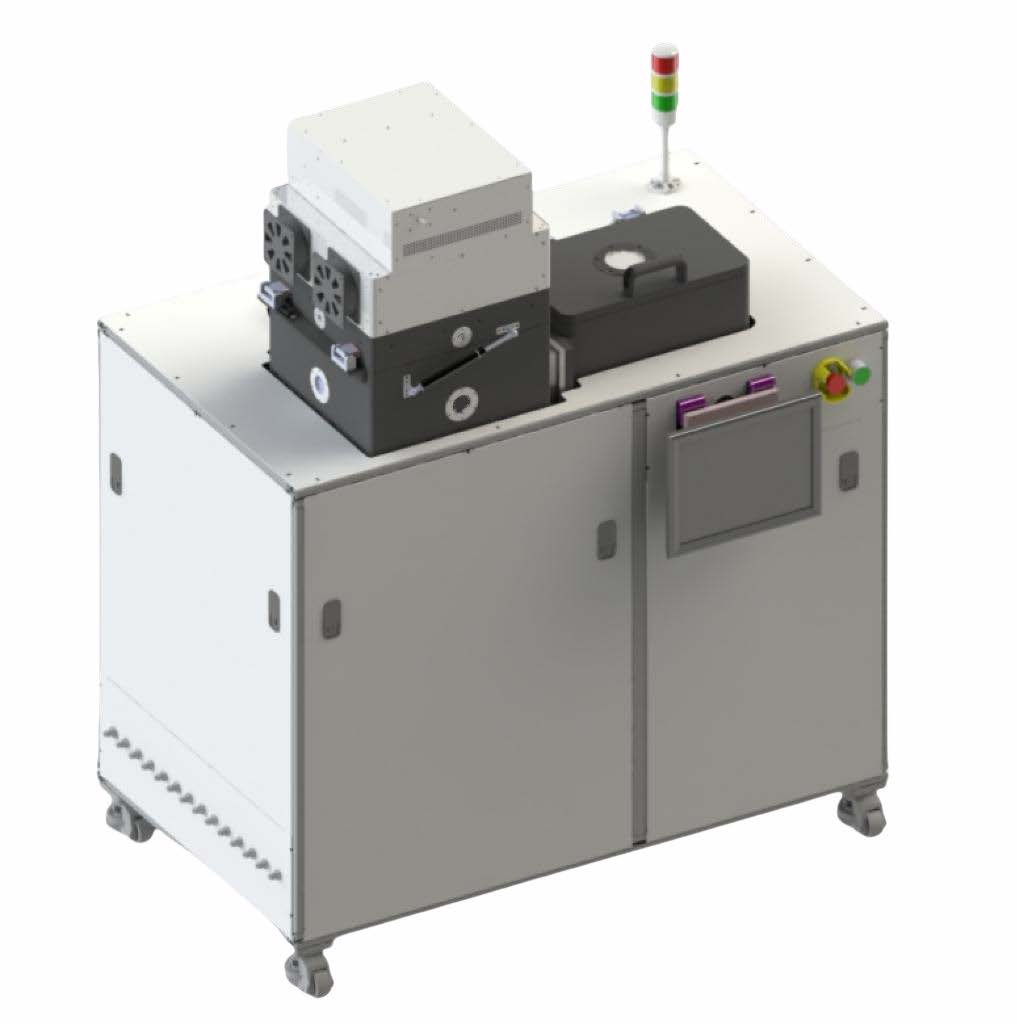
high impact branding advanced node reactive ion etcher offerings?
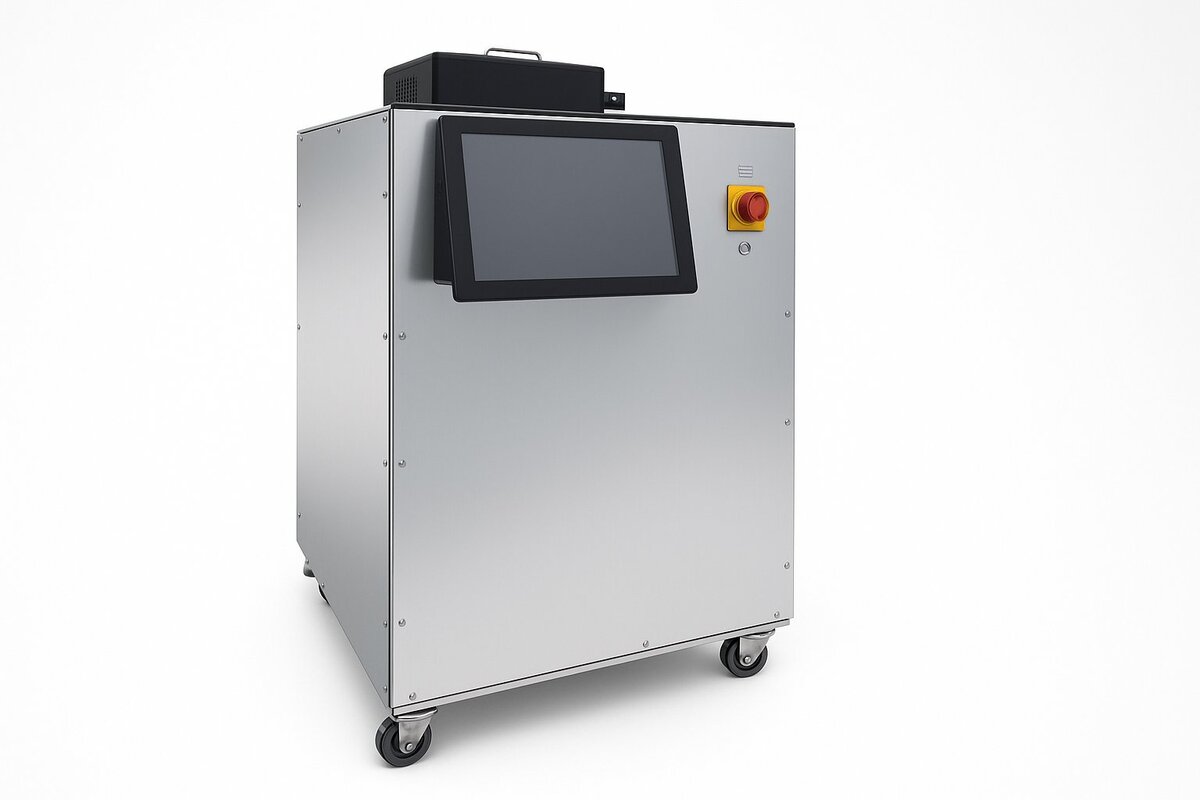
Pivotal Elements of plasma treatment through microelectronic manufacturing. This strategy exploits energized gas to finely ablate structural compounds for precise patterning during nanomanufacturing. By regulating critical parameters like reactive gases, voltage level, and confined pressure, the chemical removal speed, etch precision, and structural anisotropy can be accurately regulated. Plasma technique has altered microsystem construction, sensors, and advanced technological gadgets.
- Furthermore, plasma etching is increasingly researched for sectors of optical engineering, bioengineering, and composite materials study.
- Countless styles of plasma etching occur, including ion-based reactive etching and ICP-based etching, each with particular features and constraints.
The elaborate characteristics of plasma etching require a comprehensive grasp of the principal scientific principles and chemical properties. This analysis seeks to offer a comprehensive outline of plasma etching, comprising its essential facts, manifold versions, applications, advantages, drawbacks, and evolutionary tendencies.
Advanced Riechert Etchers for Microfabrication
On the subject of precision engineering, Riechert etchers distinguish themselves as a pivotal equipment. These modern devices are celebrated for their extraordinary sharpness, enabling the creation of complicated configurations at the microscopic extent. By employing sophisticated etching methods, Riechert etchers maintain faultless control of the manufacturing sequence, giving top-grade outcomes.
The scope of Riechert etchers embraces a comprehensive collection of sectors, such as circuitry. From fabricating microchips to designing lead-edge medical gadgets, these etchers hold a pivotal position in shaping the trajectory of technology . With devotion to quality, Riechert establishes norms for exact microfabrication.
Core Principles and RIE Applications
Ion-enhanced reactive etching stands as a fundamental strategy in microfabrication. RIE incorporates a combination of charged species and reactive gases to etch materials with selectivity. This procedure involves bombarding the object surface with ionized projectiles, which react with the material to produce volatile gas chemicals that are then transported by a evacuation process.
RIE’s skill in maintaining vertical profiles makes it decisively impactful for producing intricate designs in miniature devices. Utilizations of RIE involve the creation of semiconductor switches, circuit boards, and optical systems. The technique can also fabricate narrow openings and through-silicon vias for dense data storage.
- Reactive ion etching supplies fine oversight over removal velocities and component selectivity, enabling the formation of precise geometries at narrow tolerances.
- A broad range of ionic gases can be chosen in RIE depending on the processing target and desired etch traits.
- The linearly etching quality of RIE etching provides the creation of precise edges, which is fundamental for certain device architectures.
Refining Selectivity in ICP Etching
Inductively powered plasma removal has come forward as a vital technique for constructing microelectronic devices, due to its outstanding capacity to achieve significant etching directionality and chemical discrimination. The strict regulation of plasma metrics, including power control, gas environments, and work environment pressure, allows the fine-tuning of pattern formation speeds and pattern geometries. This adjustability enables the creation of sophisticated patterns with reduced harm to nearby substances. By fine-tuning these factors, ICP etching can efficiently minimize undercutting, a common complication in anisotropic etching methods.
Assessment of Etching Process Performance
Plasma-driven etching operations are regularly applied in the semiconductor realm for building delicate patterns on chip surfaces. This analysis considers multiple plasma etching styles, including physical etching methods, to assess their capability for different compounds and targets. The study highlights critical aspects like etch rate, selectivity, and topography quality to provide a detailed understanding of the benefits and flaws of each method.
Enhancing Etch Rates through Plasma Calibration
Reaching optimal etching capacities in plasma strategies calls for careful setting modification. Elements such as electric intensity, compound mixing, and pressure condition substantially affect the surface modification rate. By precisely adjusting these settings, it becomes realistic to enhance operational effectiveness.
Comprehending the Chemistry of Reactive Ion Etching
Plasma ion chemical etching is a principal process in miniature fabrication, which includes the deployment of chemical ions to accurately remove materials. The fundamental principle behind RIE is the dynamic interplay between these reactive charged domains and the surface of the target substance. This exchange triggers chemical changes that fragment and shed fragments from the material, yielding a required structure. Typically, the process incorporates a composition of charged molecules, such as chlorine or fluorine, which get activated within the plasma environment. These plasma particles strike the material surface, initiating the removal reactions.Efficiency of RIE relies on various elements, including the nature of material being etched, the use of gas chemistries, and the functional settings of the etching apparatus. Exact control over these elements is essential for achieving top-tier etch shapes and minimizing damage to adjacent structures.
Controlling Etch Profiles in ICP Systems
Achieving true-to-design and regular outlines is key for the completion of several microfabrication tasks. In inductively coupled plasma (ICP) removal systems, management of the etch design is essential in specifying extents and contours of features being engineered. Notable parameters that can be tuned to impact the etch profile include chemical environment, plasma power, thermal conditions, and the tooling design. By meticulously adjusting these, etchers can make designs that range from non-directional to anisotropic, dictated by specialized application prerequisites.
For instance, vertically aligned etching is customarily aimed for to create profound cavities or vias with strongly delineated sidewalls. This is done by utilizing enhanced fluorinated gas concentrations within plasma and sustaining reduced substrate temperatures. Conversely, even etching generates rounded profiles owing to the inherent three-dimensional character. This type can be effective for widespread ablation or surface leveling.
What's more, sophisticated etch profile techniques such as cyclic plasma etching enable the formation of minutely defined and deep and narrow features. These methods regularly need alternating between etching steps, using a concoction of gases and plasma conditions to produce the intended profile.
Discerning key influences that regulate etch profile control in ICP etchers is imperative for optimizing microfabrication techniques and realizing the expected device utility.
Etching Technologies in Semiconductors
Ionized particle machining is a vital technique executed in semiconductor manufacturing to selectively strip substances from a wafer surface. This method implements charged plasma, a integration of ionized gas particles, to etch selected patches of the wafer based on their fabrication texture. Plasma etching provides several pros over other etching means, including high dimension control, which allows for creating slender trenches and vias with limited sidewall deformation. This clarity is critical for fabricating advanced semiconductor devices with stacked constructions.
Purposes of plasma etching in semiconductor manufacturing are diverse. It is employed to produce transistors, capacitors, resistors, and other essential components that build the root of integrated circuits. Also, plasma etching plays a prominent role in lithography protocols, where it facilitates the exact arrangement of semiconductor material to map circuit arrangements. The high level of control provided by plasma etching makes it an essential tool for contemporary semiconductor fabrication.
Upcoming Trends in Plasma Processing
Ion-assisted etching technology is in perpetual innovation, pecvd system driven by the heightened push towards enhanced {accuracy|precision|performance