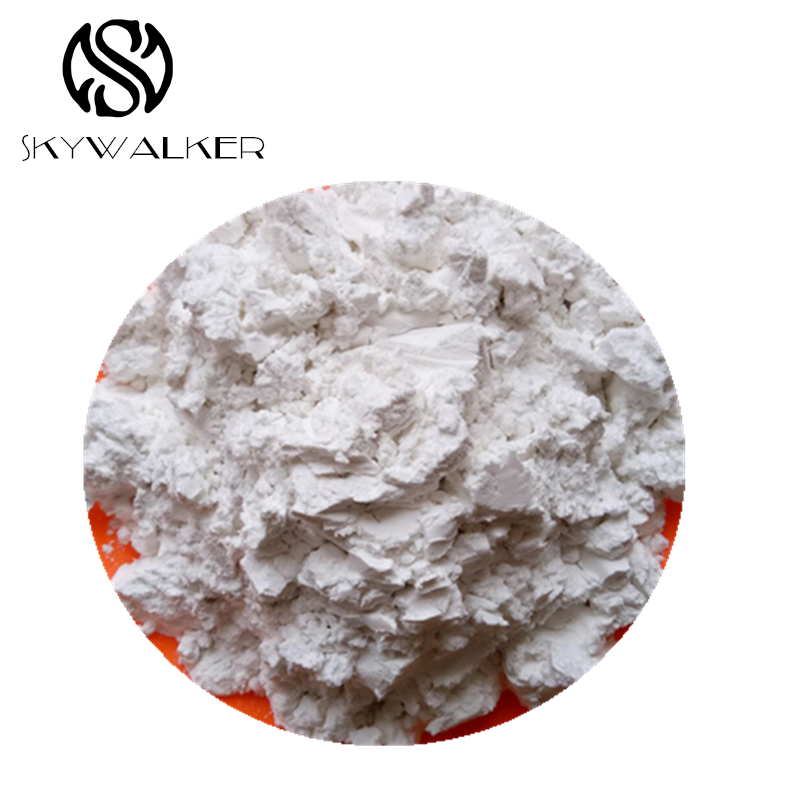
Does diatomaceous earth offer better filtration performance at lower operating pressures?
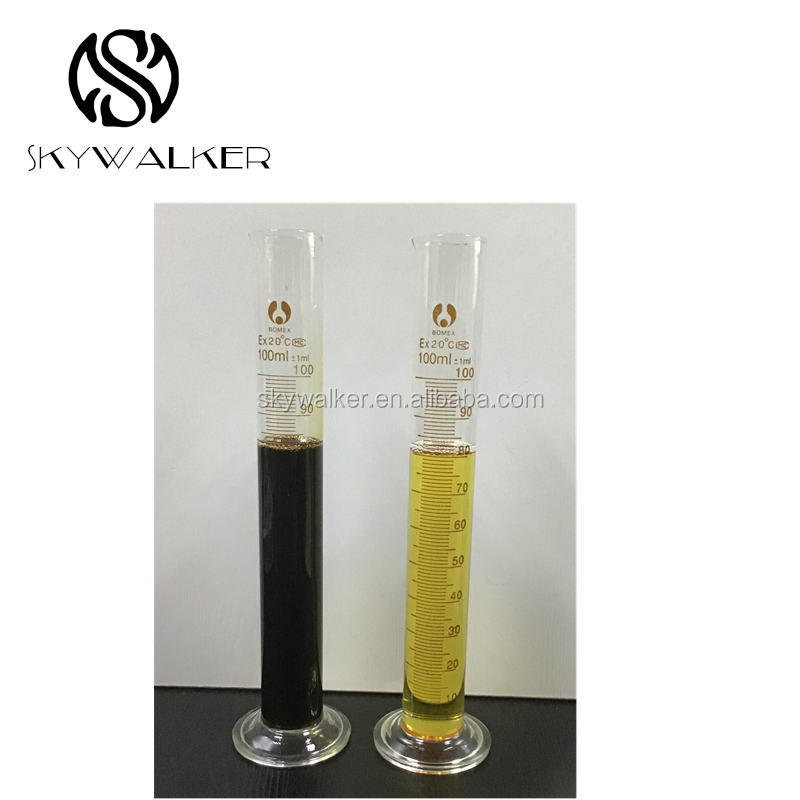
BeginningDiatomite filter aid acts as superior clarifying agent extensively adopted in various industrial processes, particularly for purification of refreshments. Generated from the fossilized remains of diatoms, it exhibits a unique permeable architecture that grants premium cleansing. This compound functions by creating a delicate filtering bed on a filtration system, capturing activated bleaching earth small debris while enabling liquid movement. Finding the optimal level of algal fossil filter is fundamental for superior function.
Harnessing Micro-shells Soil for Refinement
Silica-rich powder, composed of the fossilized remains of microscopic algae called diatoms, presents a uncommon method for separating various materials. Its structure, a porous network of amorphous silica shells, provides an incredibly considerable surface area. This grants for highly powerful removal of contaminants from mixtures. Applications range from hydrated refinement and spirits processing to swimming processing and even crop-related operations. Positives include its natural origin, cost efficiency compared to several synthetic alternatives, and its potential to effectively collect a extensive spectrum of unwanted materials.
- Supplies superior material removal.
- Operates as a low-impact choice.
- Applicable for wide-ranging domains.
Processed Bleaching Substance: Elements and Operations
Refined bleaching clay is a sort of unprocessed bentonite that has undergone targeted modification to amplify its uptake potential. This system typically involves thermal metamorphosis, resulting in a enhanced arrangement with a broad space. Consequently, it exhibits extraordinary ability to clear impurities from a extensive series of fluids, finding vital roles in the clarification of lipids, waxes, and other carbonaceous compounds. Moreover, its non-toxic nature and budget strength contribute to its developing appeal in various businesses.
Diatomite vs. Other Filter Aids: Which is Best?
Opting for the prime cleaning assistance for a specific process can be demanding. While charcoal and other substitutes exist, diatomite generally presents a dominant case for its preeminence. In contrast to these challengers, diatomite habitually offers amplified purity and an increased velocity of separating particles. However, this optimal choice ultimately rests on parameters such as cost, usage requirements, and preferred deliverable rank.
How Diatomite Filtration Works
Siliceous sediment or known as porous earth filtration refining leverages the unique or distinct structure of the microscopic minute algae remains. These these diatoms, upon following death, form yield a sedimentary rocky rock mass composed fabricated of intricately thoroughly porous spongy silica silicic shells. This referenced porous networked network web provides an incredibly extraordinarily large extent for collecting particulate tiny matter impurities from across liquids fluids, achieving resulting in highly or effective specialized filtration sifting.
Improving Decolorizing Capability of Activated Material
Improving this bleaching approach employing modified earth presents a effective alternative for improving capability. That biogenic material, sourced from clay, possesses distinguished retaining traits that enable it to effectively strip pigmented pigments from woven materials, thereby curtailing usage of harsh chemical compounds and facilitating a greater consequence.
Grasping Filter Powder Quality Levels
Determining the suitable diatomite variety is essential for competent separation processes. Diatomite grades are labeled by their mesh extent, generally expressed in fractional sizes. Thinner grades, like FF or Filter-X, offer premium clearness and are suited for soft liquids, while coarser grades, such as Perlite or Celite 500, supply a better filtrate velocity for less tasks. Understanding these changes will aid you to heighten your clarification benefits and reduce payments associated with the procedure.
Environmentally Friendly Sourcing of Fossilized Algae Earth
The booming demand for diatomite earth necessitates a concentration on durable sourcing strategies. Traditional excavation often demands significant land disturbance and can damage vicinal ecosystems. Now, forward-thinking enterprises are inquiring alternatives, such as restoration of used sites, ensuring curtailed disruption and upholding ecological habitats. Furthermore, clarity in the transit is becoming crucial, allowing purchasers to reach informed judgments and advocate environmentally conscious initiatives. Hence, responsible regulation of microshell residue earth deposits is vital for future availability and minimized environmental results.
- Decreased land degradation.
- Restoration of extraction sites.
- Greater visibility in the logistics.
Altered Purifying Deposit: A Investigative Perspective
From a scientific standpoint, processed decolorizing material represents a particular class of silicate minerals. At first, kaolinite mud is molecularly modified via enhancement – typically involving alkaline application – to dramatically boost its receptive capabilities. The processing creates a large surface with a significant number of reactive domains, facilitating the retention of stained pollutants from fluids. The action mainly involves electrostatic linkages and dispersion engagements, generating a brighter substance.