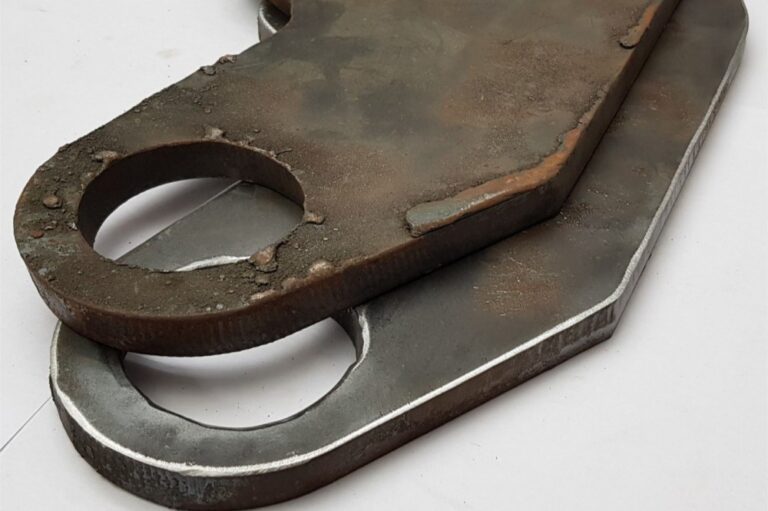
Do current surface finishing solutions for sheet metal parts limit your design options?

Commencing an complete study regarding automated mechanisms developed intended for deburring characterize modernized industrial functions, guaranteeing substantial positive effects across speed and caliber. This report unveils the distinct types of deburring solutions, made up of brush-based spraying components, rotary instruments, and sophisticated programmed applications. We will review the upsides of incorporating such innovations, consisting of decreased labor costs, boosted component reliability, and upgraded production rates.
Contour Chamfering Devices: Precision Finalizing Defined
Profile smoothing platforms offer a refined solution for realizing precise refining on materials. Unlike manual processes, these intelligent platforms provide steady products and significantly increase operation capacity. These machines regularly engage mixed abrasive devices like circular blades, polishing abrasives, or tailored configurations to extract sharp edges and protrusions. Such task is fundamental in a expansive range of sectors, like healthcare and digital.- Raise coating caliber
- Reduce production overhead
- Maximize capacity and competence
Scale Discharge Tools: Ensuring Immaculate, First-Class Facades
Latest metal fabrication techniques regularly create significant amounts of dross, a byproduct that, if left, can severely compromise the condition of the conclusion. Fortunately, advanced byproduct management systems offer a proven solution. These exclusive machines, employing techniques like abrasion, are designed to carefully eliminate this unwanted material, ensuring a pristine and first-rate surface. The resulting enhancements include diminished rejection rates, enhanced aesthetic appeal, and an overall boost in production efficiency. By utilizing breakthrough slag removal technology, manufacturers can consistently deliver first-class surfaces and fulfill stringent industry standards.
Sheet Metal Finishing: The Benefits of Deburring Units
Gaining a superior finish on sheet metal segments is crucial for functionality, and deburring mechanisms present major improvements over manual methods. Getting rid of burrs effectively not only magnifies the superficial quality of the item, but also obviates likely malfunctions during fabrication and usage. What’s more, mechanized deburring systems increase production velocities and reduce manpower expenses.
Refining Sheet Metal Production with Automatic Deburring
For raise productivity in sheet metal workshop operations, explore digital deburring solutions. Physical deburring is often drawing-out and liable to irregularities. Moving to robotic deburring grants significant improvements, containing reduced human resources spending, improved product excellence, and amplified production rates. These resources will promptly generate profits.Selecting the Right Deburring Tool for Your Endeavor
Finding the finest deburring apparatus for your dedicated needs involves a meticulous assessment of several points. Preliminarily, consider the category of component you're controlling – aluminum requires varying techniques than polymer. Following that, scrutinize the measurements and geometry of the components needing surface cleaning. At last, reflect on your workload scale; a significant operation demands a different type of instrument than a restricted one. Neglecting to take into consideration these considerations probably yields faulty results and growing expenditures.
Edge Unit Process: Progressions and Enhancements
Latest burr elimination tool approach is subject to rapid growth, caused by the insistences for augmented exactness and throughput in fabrication operations. Significant shifts comprise the melding of programmable machines for adjustable burr elimination tasks, alongside advances in buffing system. We're moreover witnessing a rise in small-scale finishing machines suited for localized purposes, and groundbreaking strategies like plasma polishing are collecting popularity. The future reveals towards increased integration of burr eliminating machines within the networked plant setting.
Refining Ferrous Part Consistency with Rim Polishing
Many making processes for alloy parts introduce sharp edges, which can induce stress zones and vulnerabilities that impair overall durability. Profile rounding, a simple yet significant formula, offers a straightforward solution. It includes slightly trimming the severe edges of a part during the processing stage. This reduces stress spots, improves endurance resistance, and can minimize cracking. Benefits are further amplified when dealing with sophisticated designs or parts subjected to major burden. Considerations include the ideal curvature of the shape and its bearing on assembly with other elements.
- Mitigates Stress Areas
- Elevates Fatigue Capacity
- Obviates Chipping
Waste Discharge vs. Deburring : Knowing the Divisions
Although many specialists use the titles “slag elimination” and “deburring” confusingly, they identify distinct methods in metal processing handling. Deburring focuses on cleaning the sharp, often tiny, extrusions created during cutting operations—these are excess bits of ferrous left on the segment. Residuum removal, conversely, addresses a leftover – typically a amalgam of chemicals – that forms during processes like forging. Essentially, deburring deals with Precision Grinding residual brims, while slag eradication deals with one byproduct of a other action. In brief, programmable deburring and byproduct removal apparatuses are fundamental components of modern metal fabrication that guarantee premium finished products with lowered defects and improved efficiency.Concluding the examination underlines the major role of innovative automated deburring technologies in revolutionizing assembly specifications and empowering businesses realize advanced productivity and precision.